
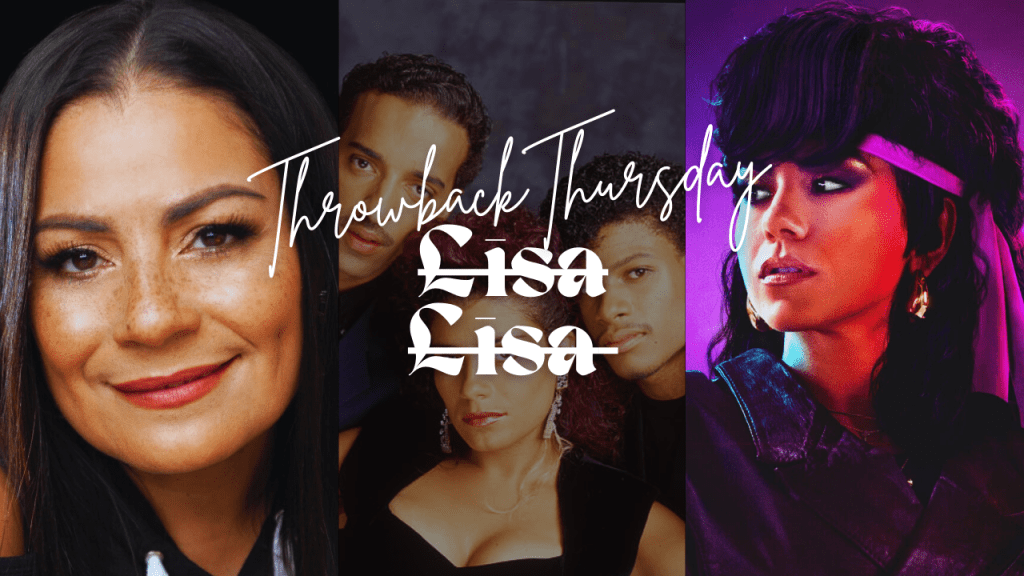
Lisa Lisa’s influence on music runs deeper than most people realize. Long before today’s Latin superstars were crossing over into R&B, pop, and mainstream radio, Lisa Lisa was breaking barriers in the 1980s — not just as a singer, but as a cultural force. Her sound, her style, and her presence opened doors for the Latin community at a time when the industry rarely made space for them.
In my latest throwback, I revisited her journey and the legacy she created, especially now that her new Netflix documentary, Can You Feel the Beat: The Lisa Lisa Story, shines a light on everything she experienced behind the scenes. The film is powerful, raw, and eye-opening, revealing just how much she carried on her shoulders while still managing to change the sound of a generation.
Lisa Lisa’s accomplishments were groundbreaking. She charted nine songs on the Billboard Hot 100, making her one of the first Latina artists to dominate mainstream R&B and pop simultaneously. Her music wasn’t just catchy — it was transformative. In an era defined by synths and dance beats, she became the heartbeat of freestyle music, influencing countless artists who came after her.
What stood out the most in the documentary was her resilience. She faced challenges most fans never knew about, but she still carved out a lane that helped reshape the musical landscape. Her story is a reminder that pioneers don’t always get their flowers when they should — but their impact is undeniable.
Watching her story unfold reminded me why these throwback moments matter. So many artists today are standing on foundations built by women like Lisa Lisa — women who pushed through industry politics, cultural barriers, and personal hardships to create space where none existed before. Her journey shows what it means to fight for a dream even when the world isn’t ready for you yet.
Can You Feel the Beat: The Lisa Lisa Story doesn’t just revisit her career — it honors her humanity. It shows the sacrifices behind the success, the strength behind the stage lights, and the legacy she created without even realizing how far her influence would reach. By the time the credits rolled, I felt a deeper appreciation for everything she did for the Latin community, for women in music, and for the genres she helped shape.
Lisa Lisa isn’t just a throwback — she’s a blueprint. A door-opener. A cultural pioneer.
Giving her flowers now feels overdue, but powerful all the same. And if you haven’t watched the documentary yet, add it to your list. You’ll walk away with a new level of respect for a woman who changed the sound of an era — and paved the way for the ones changing it today.
Stay tuned for more features like this, and stay In The Mixx with Mixxyville.

 Mixxyville
Leave a comment